In today’s world, more kids are being raised with padded corners, safety nets, and a constant echo of “be careful.” While well-intentioned, this hyper-cautious culture may be doing more harm than good—especially when it comes to mental and emotional development.
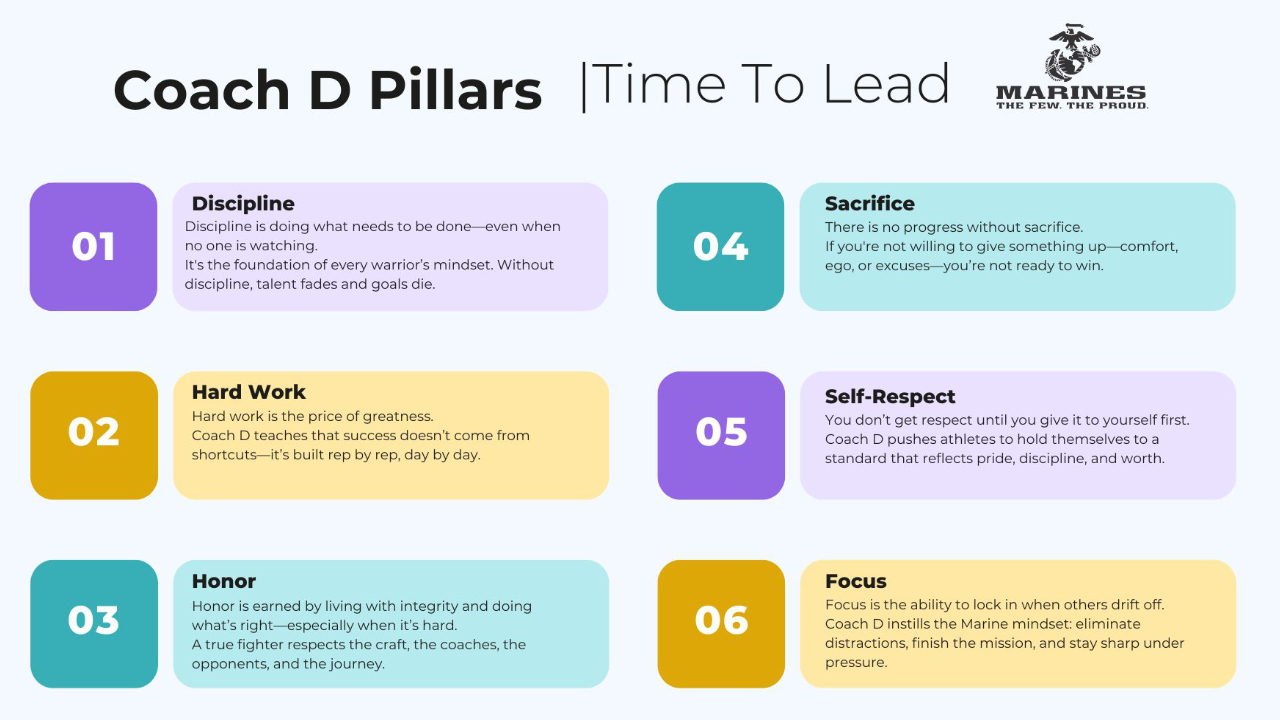
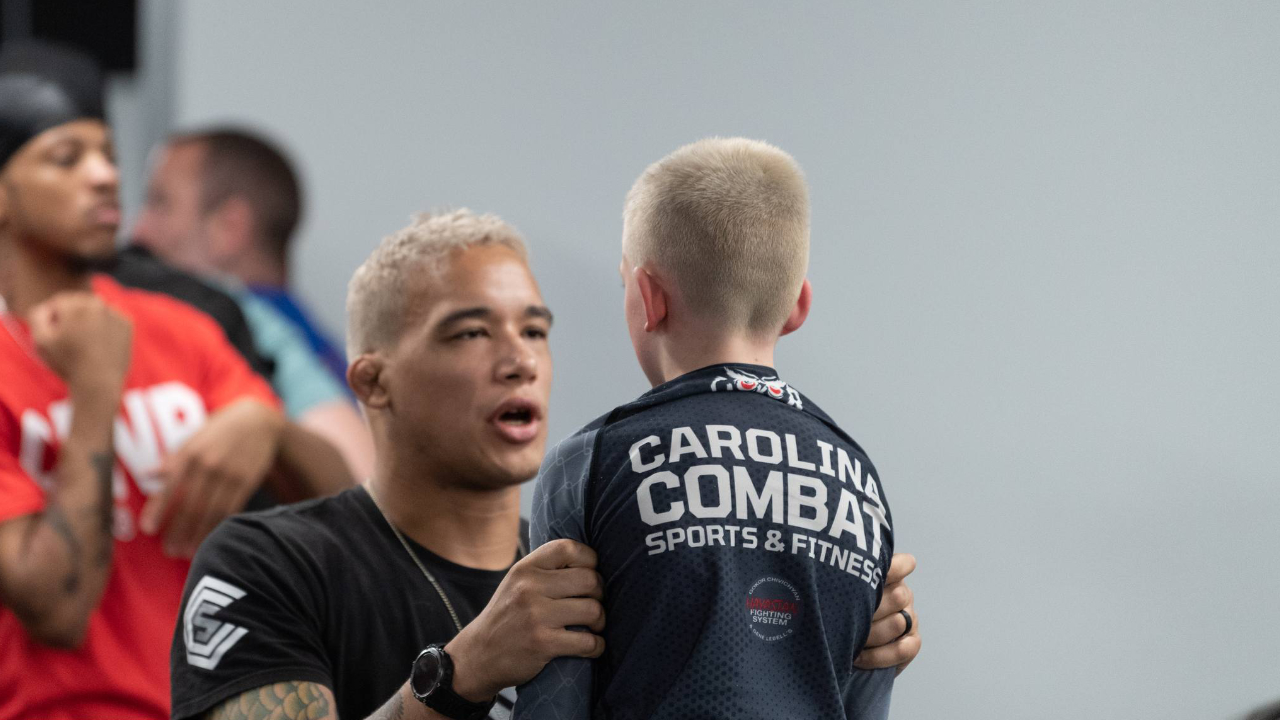
As a long-time advocate for youth development and mental health, Coach D believes that combat sports—specifically youth MMA and pankration are powerful tools to counteract the developmental delays caused by overly protected environments. He’s not just training young athletes to fight in the cage or mat he’s training them to fight for themselves, mentally, emotionally, and spiritually.
A Crisis of Delayed Development
Young people today are experiencing slower emotional and cognitive development, not because they lack talent or intelligence, but because they’re growing up in environments that remove all sense of risk. Playgrounds are safer. Sports are less competitive. Failure is softened, and consequences are avoided.
“You don’t become confident by being told you’re great,” Coach D says. “You become confident by facing a challenge, overcoming fear, and proving to yourself that you’re stronger than you thought.”
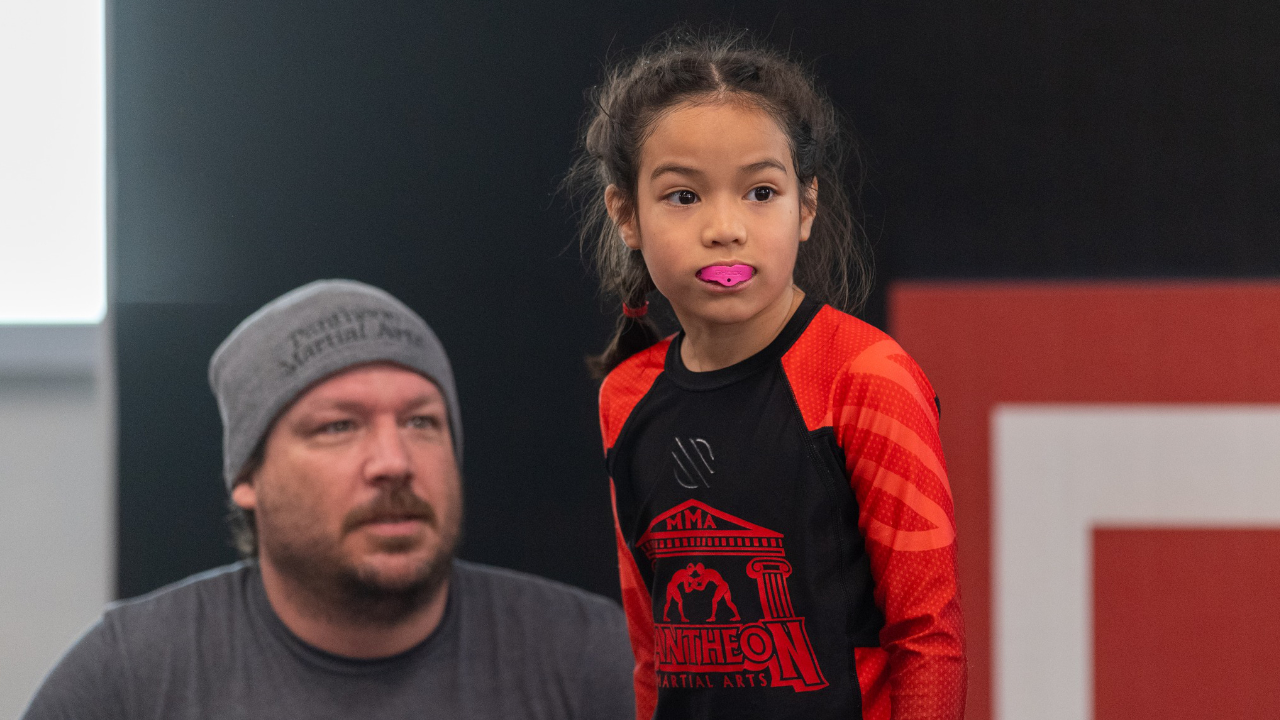
Youth MMA and pankration aren’t about violence—they’re about structure, growth, and mentorship. Every punch thrown is paired with a lesson. Every takedown is a test of mental focus. And every match is a chance for a young athlete to learn something about themselves.
But when young people don’t learn to navigate risk, they struggle to make decisions, fear failure, and often lack the confidence to face real-life challenges. The consequences are clear: increased anxiety, reduced resilience, and delayed maturity in young adulthood.
Combat sports offer a rare and essential balance: they introduce challenge in a controlled, structured environment. Through sparring, competition, and discipline-based training, young athletes are able to experience:
- Real consequences of their actions in a safe space.
- Calculated risk-taking, which is essential for decision-making.
- The development of confidence, assertiveness, and emotional discipline.
- Leadership skills and accountability, both on and off the mat.
Mental Health Starts With Experience
Coach D’s approach to mental health isn’t about therapy rooms and textbooks—it’s about experience. He knows that true self-esteem and emotional maturity are built in the fire of real, physical, and emotional challenges, not in the comfort of risk-free environments.
“When we overprotect our kids, we’re not keeping them safe—we’re keeping them from growing,” he says. “Combat sports give us a chance to let them grow, while still protecting them with structure and strong mentorship.”
Under his guidance, youth athletes are not just learning how to fight. They’re learning how to:
- Take responsibility.
- Face fear.
- Think under pressure.
- Recover from setbacks.
A Call to Rethink Youth Development
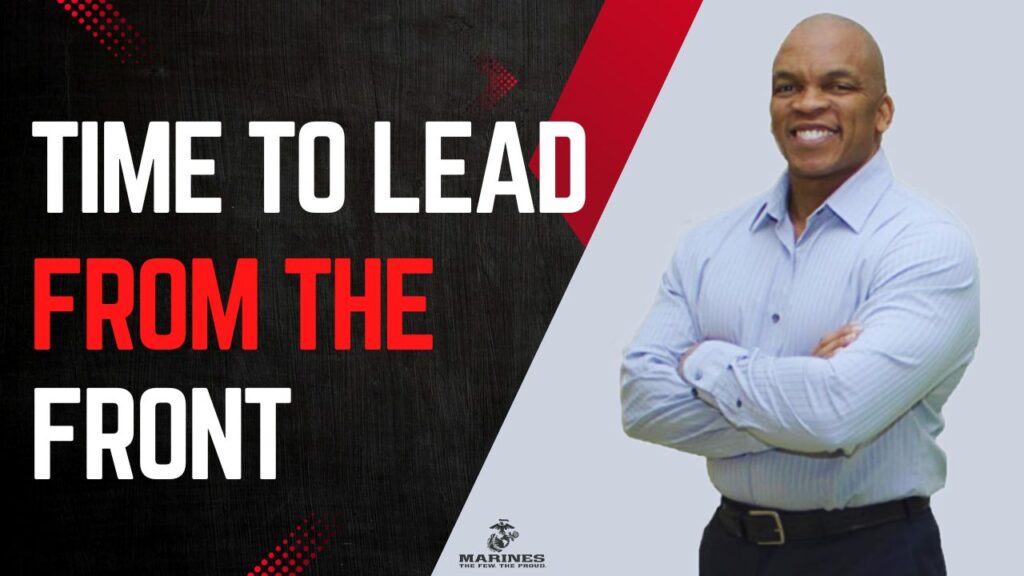
Coach D is leading the charge to make youth combat sports more than just athletic programs. He sees them as mental health initiatives, character-building environments, and lifelong tools for resilience. As youth mental health continues to decline across the country, it’s time we looked at new solutions—ones that build strength, not just safety.
Combat sports are not the enemy of childhood. They’re the missing ingredient in helping young people grow into mature, confident, emotionally intelligent adults.
Coach D asks us to rethink the question:
Are we protecting our youth—or are we holding them back from the very experiences that would set them free?