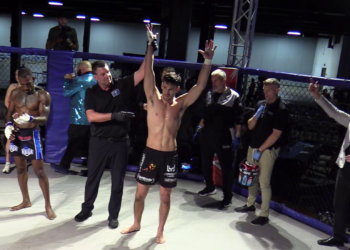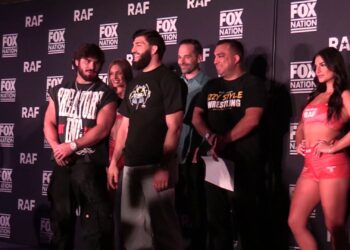
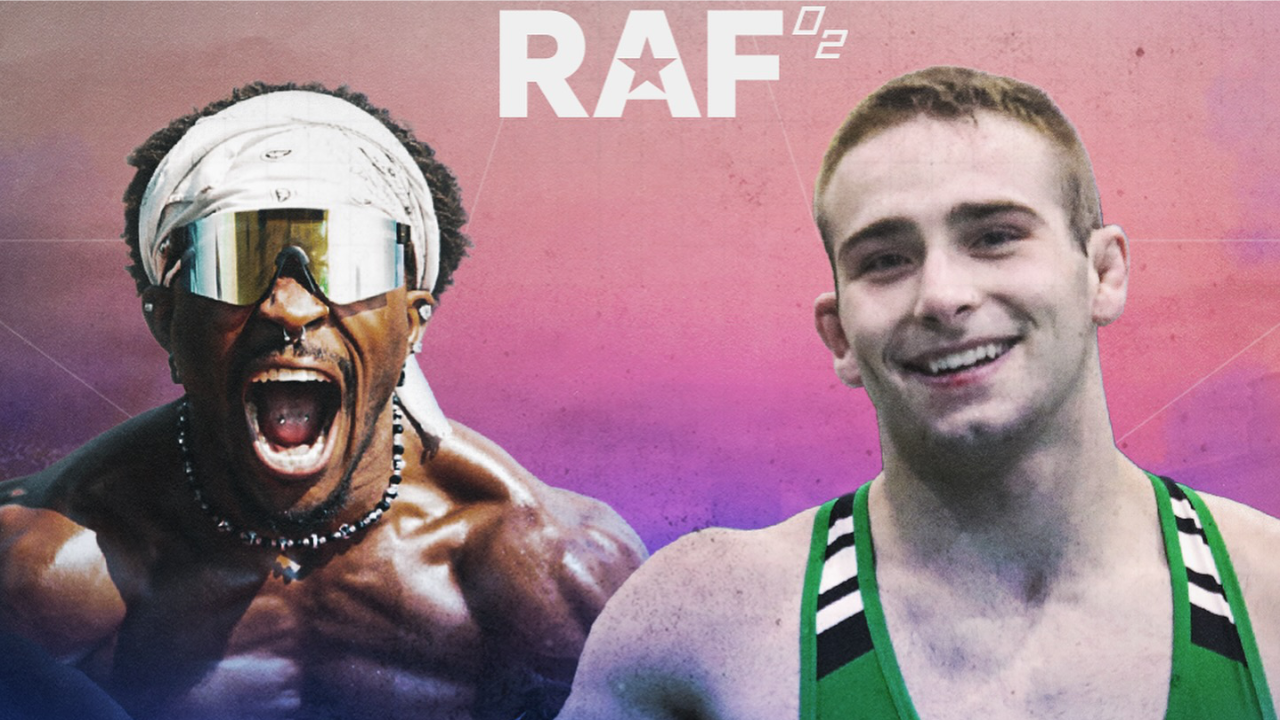
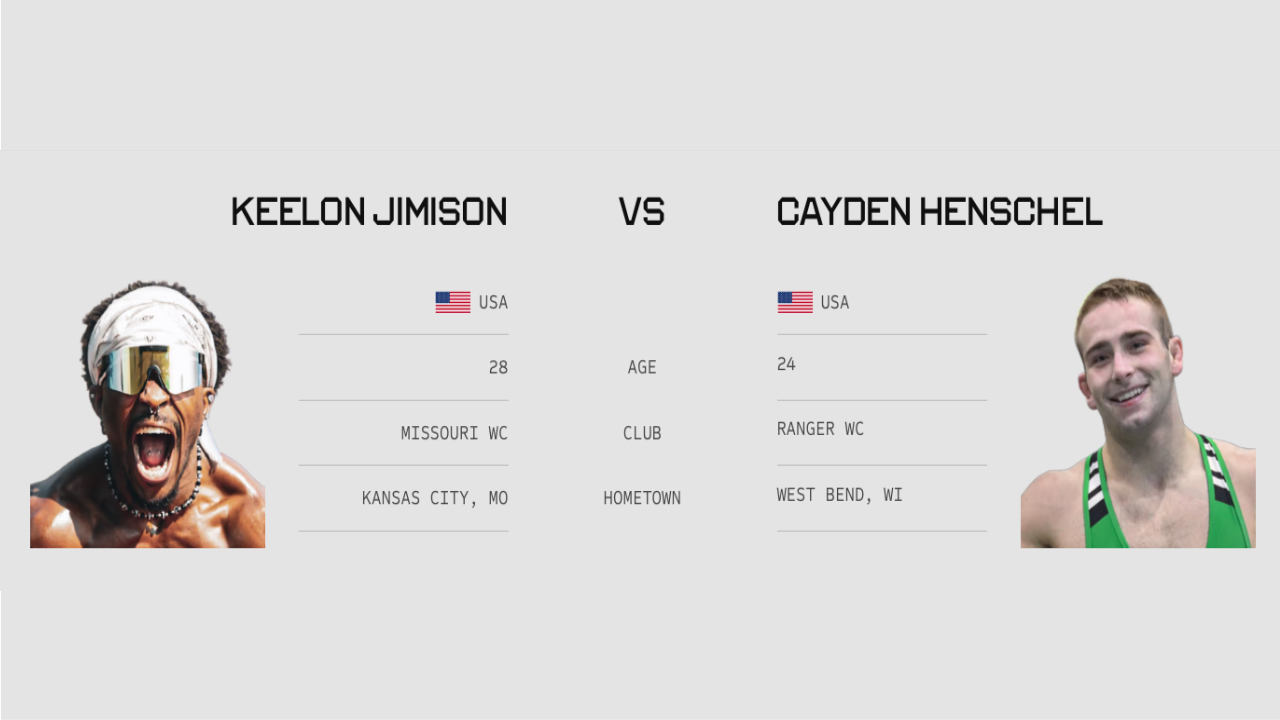
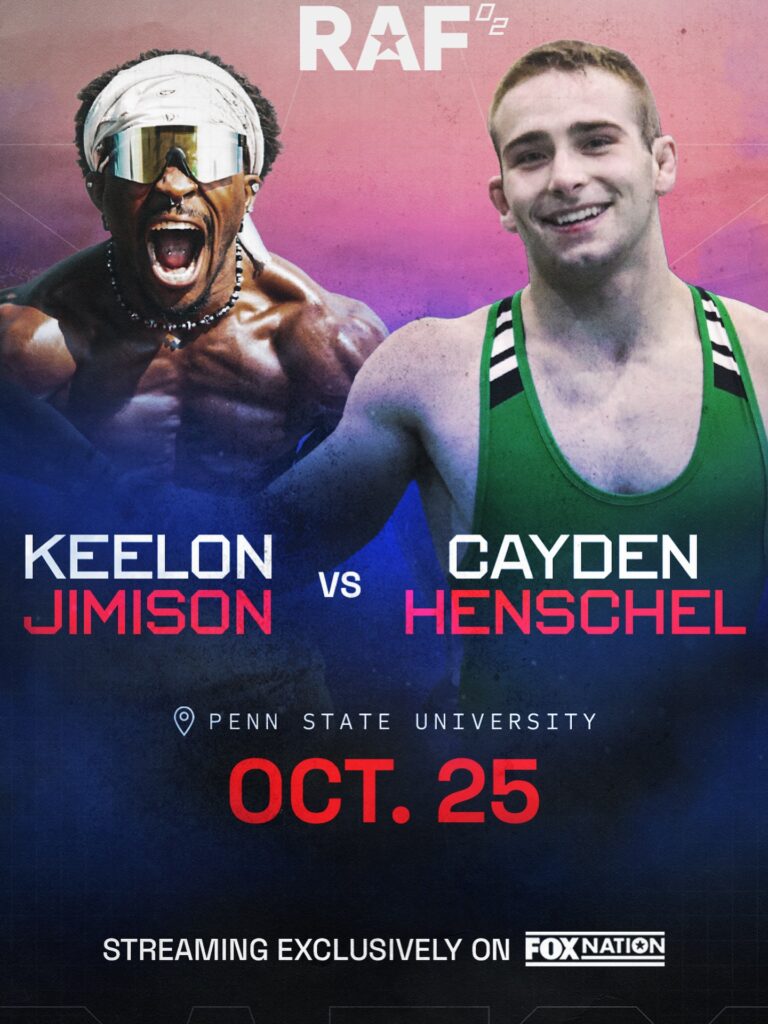
The announcement that wrestling influencers Keelon Jimison and Cayden Henschel would compete on the Real American Freestyle 2 (RAF #2) card sparked immediate debate. For some athletes and fans, their inclusion alongside high-level professionals represents a breach of tradition a signal that social media status may now weigh as heavily as wrestling credentials.
But this moment reveals something deeper: wrestling is being forced to confront a problem other sports have already adapted to the growing divide between pure competition and the need for visibility and entertainment.
The Backlash: Respect vs Relevance
Critics argue that placing influencers on the same stage as seasoned pros dilutes the prestige of the event and undermines the athletes who have paid their dues through competition, not clicks. From that perspective, RAF #2 risks being seen as a spectacle rather than a showcase of elite wrestling.
But there’s another side to the story. Wrestling remains one of the most skilled but least visible combat sports. Outside of Olympic cycles or college championships, mainstream audiences rarely see high-level wrestlers in the spotlight. Many of the pros on the RAF card have world-class résumés but minimal public presence not because they lack personality, but because they lack platforms.
And that’s exactly where Jimison and Henschel change the equation.
The Reality: Attention Drives Growth
Ask around and you’ll hear it straight:
“How do influencers get on the same card as guys grinding the pro circuit for years?”
There’s a belief that stepping onto a stage like RAF should be earned only through medals, rankings, and wars on the mat — not follower counts and Reels.
But here’s the uncomfortable truth: most of the pros on the card don’t know how to talk to fans, build an audience, or get eyes on their matches.
Their skill is elite — their visibility is not
Cayden Henschel — 500K+ strong across platforms, college standout, vlogger, storyteller, and one of the most-watched wrestling creators on YouTube.
Keelon Jimison — wrestler-turned-viral personality, content machine, ankle pick specialist, and influencer with nearly a million Instagram followers.
Neither of them walks into RAF #2 with anonymity. They walk in with reach.
Wrestling Isn’t Just a Sport It’s a Broadcast
Here’s the part a lot of old-school fans don’t want to admit:
A sports promotion doesn’t survive on competition alone it survives on attention.
High level wrestling is overflowing with talent, but not nearly enough of it is being seen.
You can be one of the best athletes in the country and still lose to someone with a phone, a ring light, and 30 seconds of charisma.
That’s not a tragedy that’s the internet.
RAF #2 could’ve been another fight card watched by a niche group of hardcore fans. Instead, it now has a chance to trend on TikTok, show up in reels, get clipped into YouTube shorts, and end up on feeds of kids who barely know what riding time is.
You don’t grow a sport by staying hidden you grow it by getting shared.
The Future of RAF As A Promotion
If Real American Freestyle intends to grow beyond the hardcore wrestling audience, it needs entry points for the casual viewer — not just great matches. That means:
Personalities that create anticipation
Storylines that pull fans in before the event
Digital moments that outlive the match itself
Athletes who understand that the camera doesn’t turn off when they step off the mat
Jimison and Henschel represent that shift. Their presence won’t diminish RAF — it might expand its lifespan.
The Bottom Line
This isn’t a clash between “real wrestlers” and “internet guys.”
It’s a collision between an old model and a new one.
The controversy isn’t just emotional it’s generational. And it forces wrestling to answer a question it has avoided for too long:
Does the sport want to stay respected in a small circle, or recognized by a much larger one?